Five Days of Immersive Learning at the Heart of Shenzhen
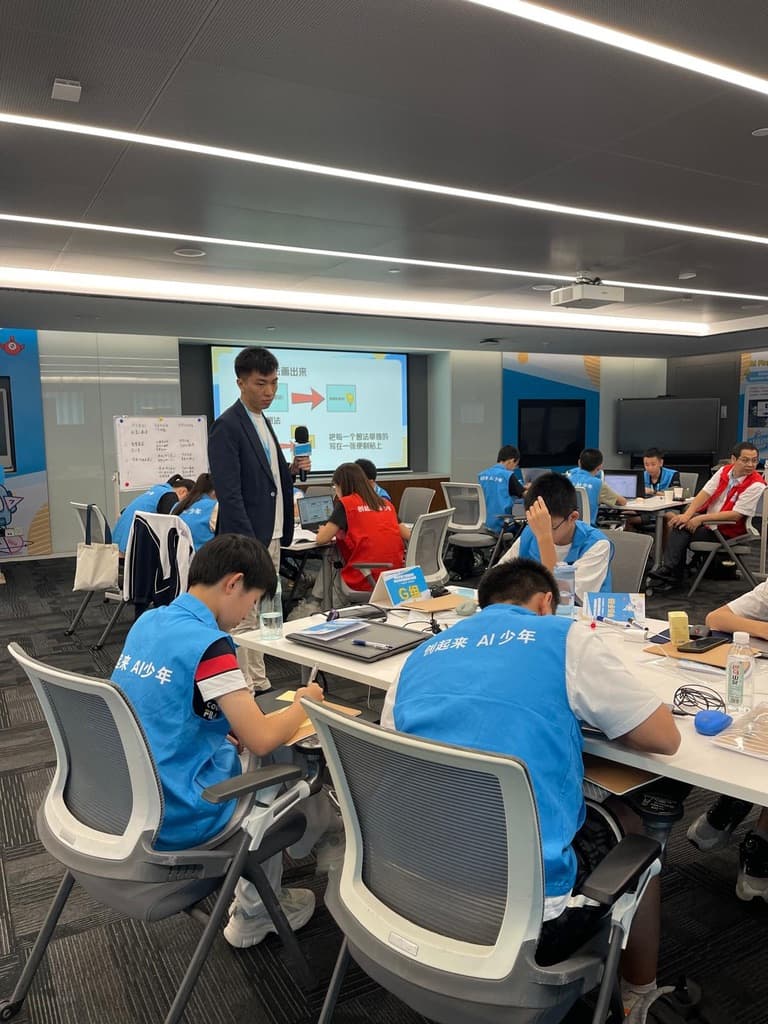
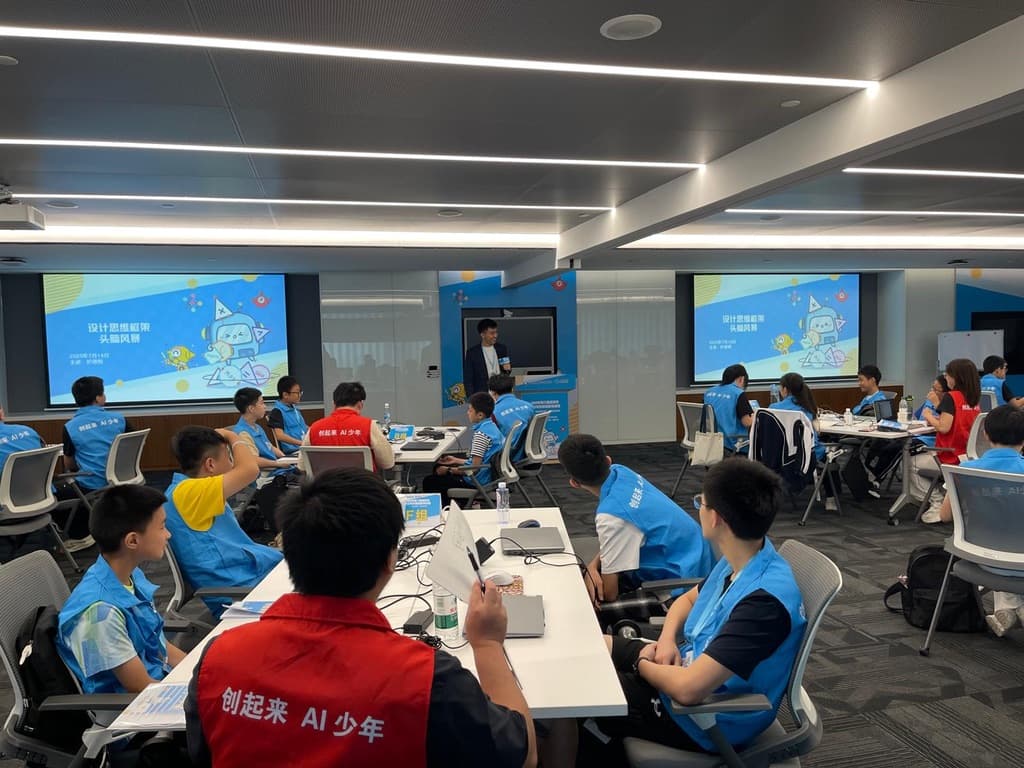
From July 14—18, 2025, the Tencent Binhai Tower in Shenzhen became a hub for youth innovation as 34 middle school students participated in the third session of the 2025 Youth Science and Technology Innovation Camp — the "Future Smart Park" AI Bootcamp. Hosted by the Shenzhen Institute of Education Sciences, this program combined corporate expertise, academic guidance, and project—based learning to prepare students for the AI—driven future.
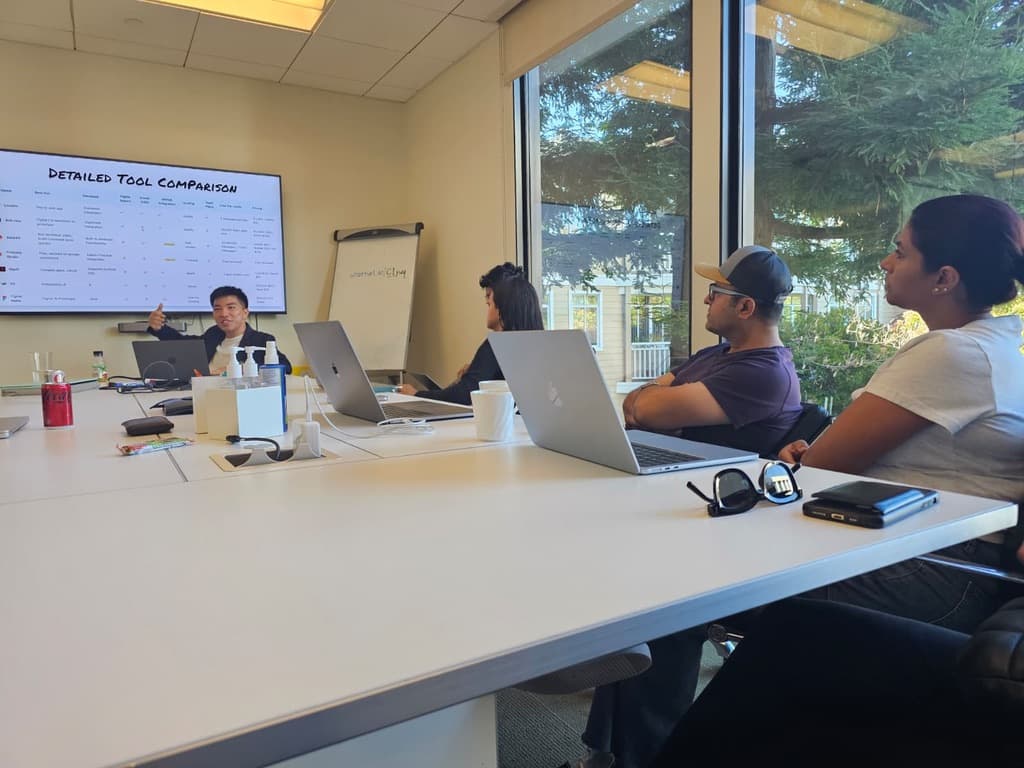
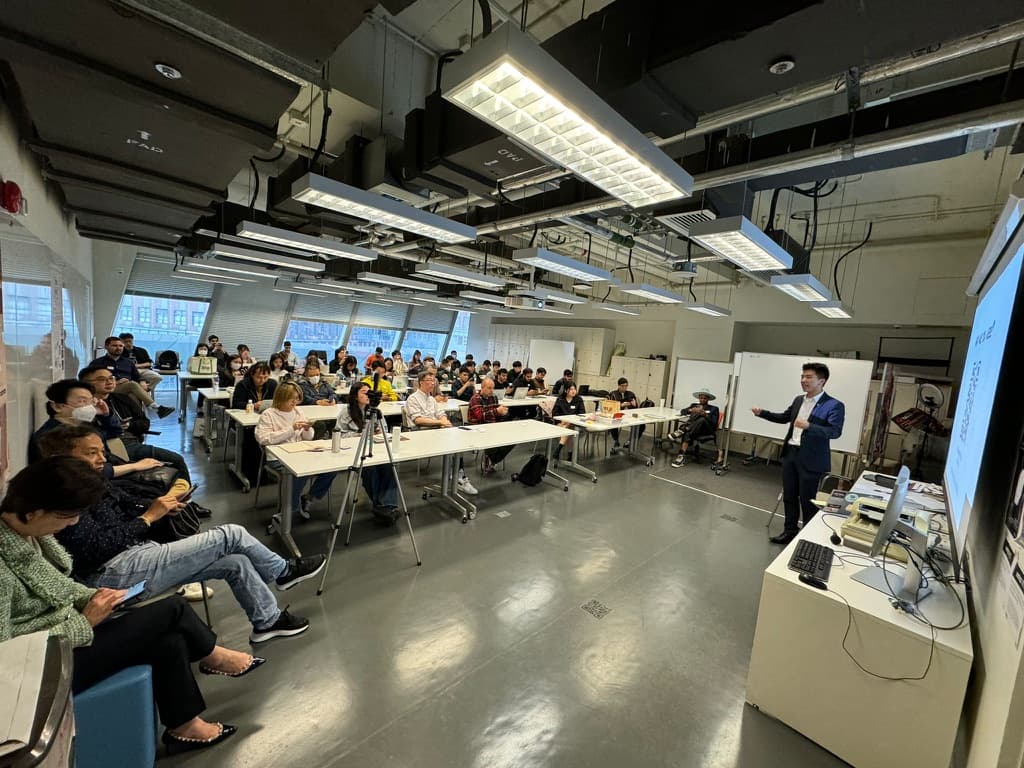
As one of the co—organizers, Chinat Yu played a central role in the design and creation process, ensuring that the bootcamp not only delivered technical skills but also inspired students to think critically, collaborate effectively, and approach AI as a tool for solving real—world challenges. Yu's contributions spanned curriculum planning, activity design, and on—site facilitation, making sure each student had the resources, mentorship, and structure needed to succeed.
Top—Tier Mentorship Bridging Theory and Practice
Students learned using AI Playground, a visual AI creation platform that allowed them to build interactive, machine learning—powered projects without requiring advanced coding skills. Industry leaders such as Tencent's AI Playground product head, Dan Jiarui, and operations lead, Yu Deyue, guided participants through AI fundamentals, brainstorming techniques, and project logic, helping them transform ideas into viable prototypes.
Yu's facilitation ensured that the program encouraged active exploration, enabling students to design with purpose while learning the fundamentals of AI model training, API integration, and creative problem—solving.
Project Highlights: Young Innovators in Action
Over the five days, teams worked intensively on topics under "Smart Education" and "Smart Mobility", applying AI to address everyday challenges. Final presentations showcased:
- Gogogo — an intelligent travel planning system using multi—constraint algorithms for personalized itineraries and smart navigation.
- AI—powered learning assistants tailored to individual student needs.
- Smart campus systems integrating IoT and AI for safety and efficiency.
Students demonstrated proficiency in integrating large model plugins, third—party services, and machine learning models — skills often seen at university—level competitions.
Impact by the Numbers
- 34 middle school participants
- 8 mentor—led teams
- 100% of students completed functional AI prototypes
- Personalized growth portfolios created for each participant, assessing skills from critical thinking to collaboration
Innovative Talent Development Model
This bootcamp's "one mentor per team" model paired each student group with a dedicated teacher, enabling personalized guidance and evaluation. The approach not only strengthened technical understanding but also cultivated leadership, communication, and teamwork — all key skills for future innovators.
Why This Matters
The "Future Smart Park" AI Bootcamp represents a successful government—enterprise collaboration that delivers on national education goals while inspiring a generation of tech—savvy, socially conscious students. For Tencent, it's proof that corporate resources can meaningfully advance youth STEM education. For the Shenzhen Institute of Education Sciences, it's a concrete step toward realizing the 2022—2025 Shenzhen Science and Technology Innovation Education Action Plan.
For Chinat Yu, this program was a powerful example of how thoughtful design, hands—on engagement, and tools like AI Playground can democratize AI learning for young students — sparking curiosity today that may translate into groundbreaking innovations tomorrow.
Call to Action
If you're looking to create impactful, scalable AI learning programs for youth, the Tencent AI Bootcamp model offers a tested blueprint — combining expert mentorship, accessible tools, and project—based learning in a high—energy, collaborative environment.